Selling your home in Conover can feel like a lot to manage, especially when you are trying to balance timing, pricing, prep work, and the details of a North Carolina sale. If you want a smoother process and fewer surprises, it helps to follow a clear plan from the start. This step-by-step guide walks you through how to prepare, price, market, and close your home in Conover with more confidence. Let’s dive in.
Why Conover sellers need a plan
Conover sits at the center of Catawba County and is part of the Hickory metro area, with access to Interstate 40, U.S. 70, U.S. 321, U.S. 70A, and NC 16. According to the City of Conover, that location helps connect your listing to both local and regional buyers.
That broad access matters, but so does strategy. Recent market signals show a mixed picture. Zillow’s Conover home value index was $272,081 as of February 28, 2026, while the same source cites Redfin data showing a February 2026 median sale price of $299K and average days on market of 94. Those are different measurements, but together they show why pricing and presentation need to be handled carefully.
Step 1: Prepare your home first
Before your home goes live, focus on the issues buyers will notice right away. That includes condition, cleanliness, curb appeal, and anything that could create friction during showings or inspections.
A strong prep phase can help you attract better offers and reduce surprises later.
Consider a pre-list inspection
A pre-sale inspection is optional in North Carolina, but the National Association of REALTORS® consumer guide says it can help identify issues with the roof, HVAC, plumbing, electrical systems, and more before a buyer finds them.
That does not mean you must fix everything. It means you can make more informed decisions early, whether that is repairing key items, adjusting your price, or preparing for buyer questions.
Focus on repairs that matter most
If you are deciding what to fix before listing, start with visible maintenance and functional issues. Buyers and inspectors tend to notice problems tied to safety, deferred upkeep, or systems that affect daily use.
Helpful areas to review include:
- Roof concerns or obvious leaks
- HVAC performance issues
- Plumbing leaks or water damage
- Electrical problems
- Broken fixtures, doors, or windows
- Damaged flooring or drywall
- Peeling paint or neglected exterior areas
If you had a pre-list inspection, use that information to prioritize. If not, focus on repairs that improve condition, reduce buyer objections, and help your home show well.
Clean, declutter, and stage smartly
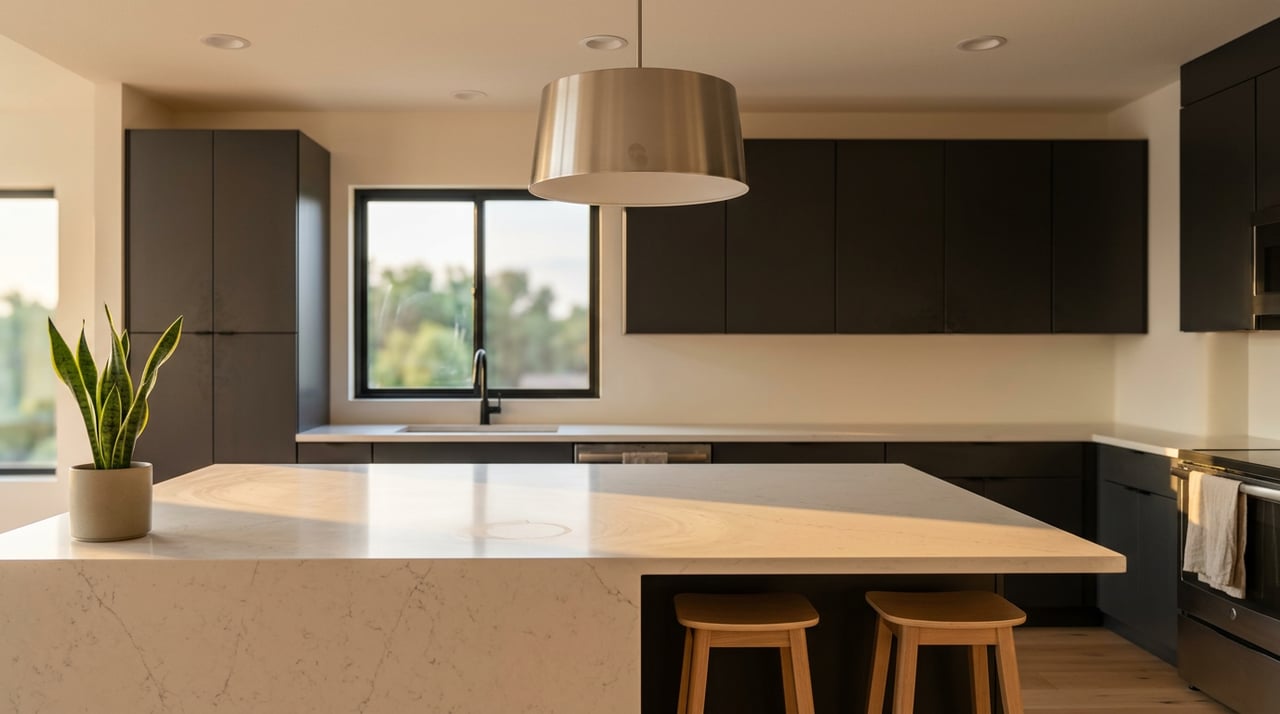
Staging does not always mean a major redesign. The NAR guide on preparing to sell your home explains that staging often centers on cleaning, decluttering, repairing, depersonalizing, and sometimes adding temporary furniture or decor.
That effort matters. NAR reports that 83% of buyers’ agents said staging made it easier for buyers to visualize the property as a future home. The living room, primary bedroom, and kitchen were rated as the most important spaces to stage.
Boost curb appeal for Conover buyers
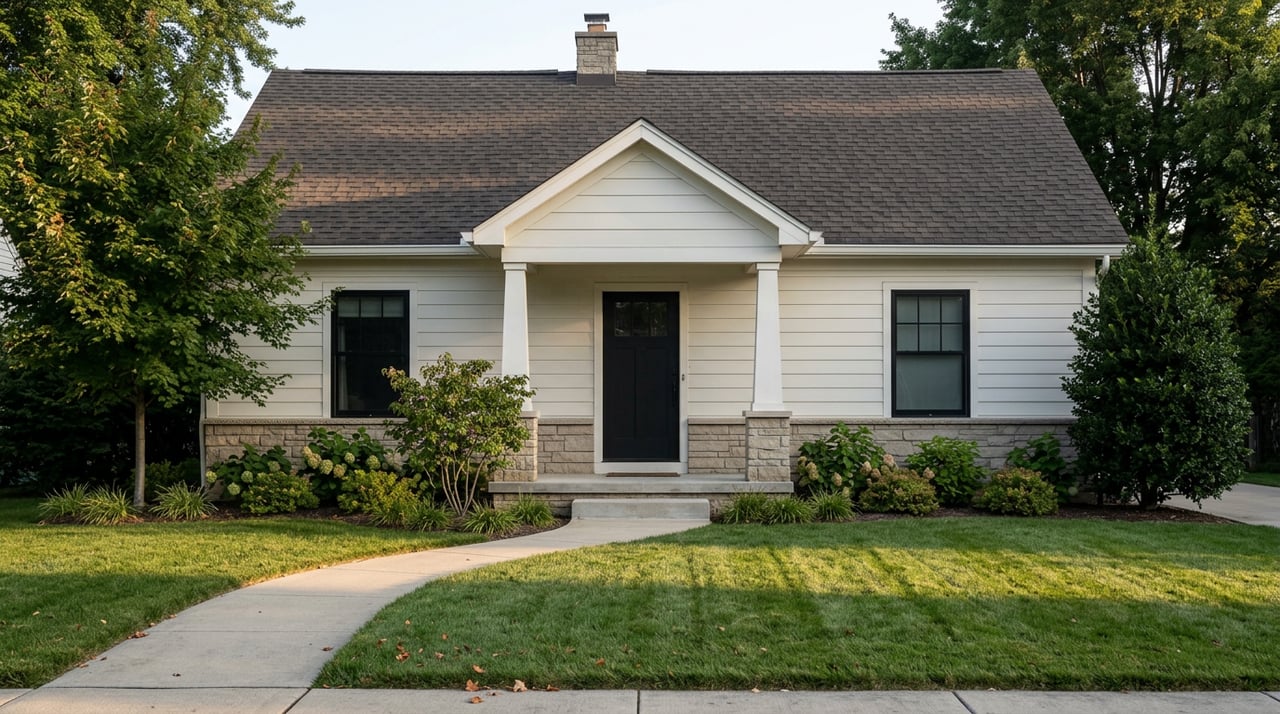
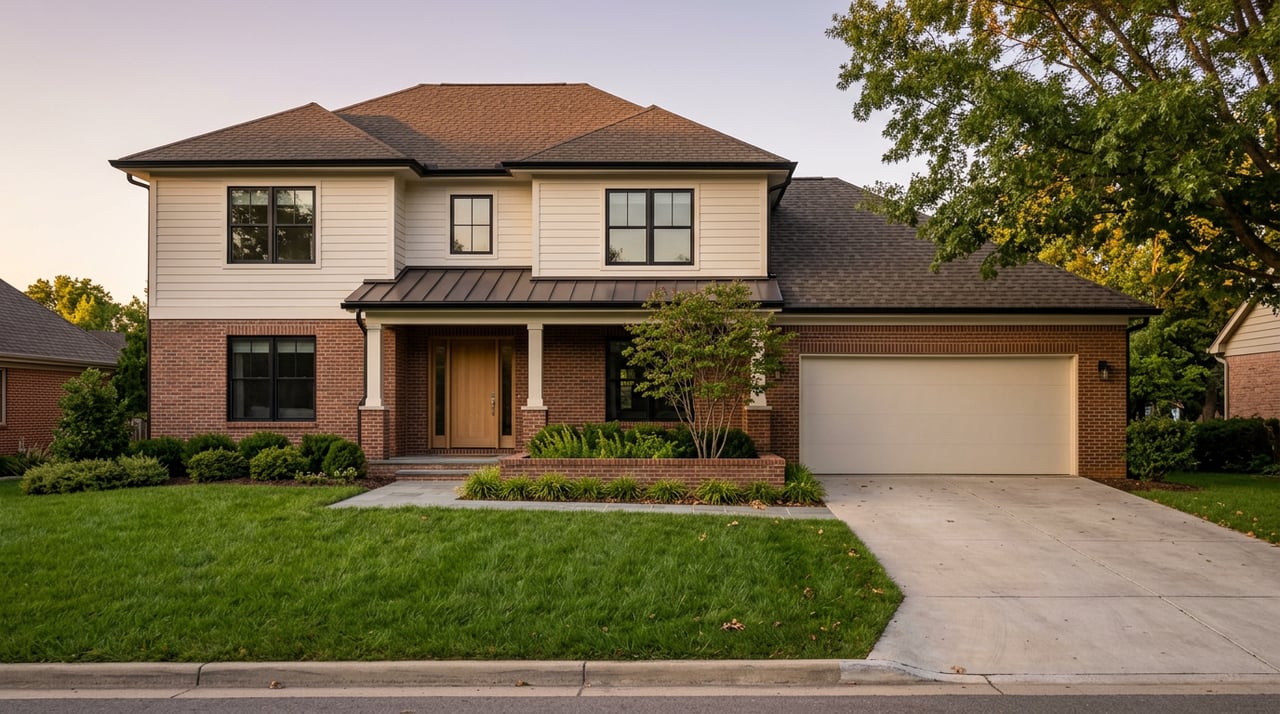
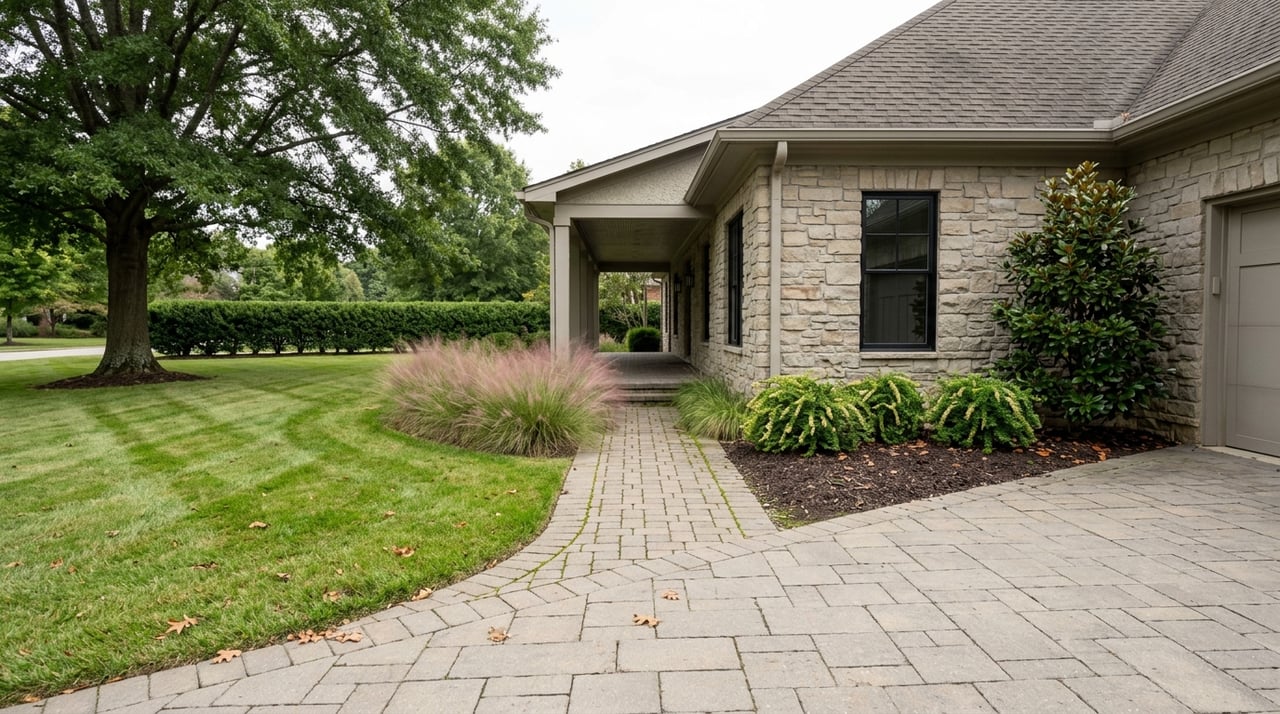
Exterior presentation is especially important in Conover. The city’s Code Enforcement department focuses on issues like overgrowth, outside storage, stagnant water, junk vehicles, minimum housing standards, and zoning violations.
Before photos and showings, make sure your exterior is clean and well maintained. A simple checklist can include:
- Mow and edge the yard
- Trim overgrowth
- Clear porches and patios
- Remove outside storage clutter
- Address visible exterior damage
- Move or remove inoperable vehicles
- Eliminate standing water where possible
These steps can improve first impressions and help your home present as well cared for.
Gather documents buyers may want
While you are preparing the home, gather paperwork that may help later. NAR recommends collecting warranties, guarantees, and manuals for systems and appliances that will stay with the home.
Having those items ready can make negotiations and closing feel more organized.
Step 2: Price your home with the market
Pricing is one of the most important decisions you will make. A home can generate strong interest when it is aligned with comparable sales, current competition, and your timeline.
According to the NAR pricing guide, pricing should be built from comps, current market conditions, and seller goals. If you want to move quickly, a more competitive asking price may make sense.
Use comps, not guesswork
Comps are recently sold, under-contract, or active comparable homes used in a comparative market analysis. They help show how buyers are responding to homes similar to yours in size, condition, location, and features.
In a market where average days on market can stretch, thoughtful pricing can matter just as much as marketing. Overpricing may reduce early interest, while strategic pricing can improve showing activity and create stronger momentum.
Factor in your timing and net goals
Your price should also reflect your personal plan. If you need to sell before buying another home, want to avoid a long showing period, or are trying to maximize net proceeds, those goals may affect your pricing strategy.
Carrying costs matter too. According to Catawba County’s current tax rates, Conover city properties have a 2025 total tax rate of 0.7935 per $100 valuation. That is one reason many sellers want a realistic launch plan instead of sitting on the market longer than necessary.
Step 3: Market your listing for maximum exposure
Once your home is ready and priced, your next goal is reach. Buyers cannot act on a home they never see.
The NAR marketing guide notes that MLS placement usually provides the broadest exposure. It also highlights staging, professional photography, social media, signage, and open houses as common parts of a listing marketing plan.
Professional visuals are worth it
Photos are often your buyer’s first showing. NAR’s 2025 staging report found that buyers’ agents rated photos, physical staging, videos, and virtual tours as highly important listing elements.
That means your listing should not rely on quick phone photos or a rushed presentation. Clean, bright, professional visuals can help buyers decide whether to schedule a tour.
Showings and open houses each play a role
Showings are usually appointment-based and allow buyers to experience the home in person on a more private schedule. Open houses can bring multiple buyers through at once and give them a chance to ask questions.
The right showing plan depends on your property, schedule, and goals. In most cases, flexibility helps create more opportunities.
Keep marketing fair and compliant
Fair housing should always be part of the listing process. The NAR fair housing guide explains that sellers cannot discriminate in a home sale based on race, color, sex, national origin, religion, disability, or familial status. Advertising should also avoid language that targets only limited groups.
A strong listing focuses on the property itself, such as layout, features, updates, lot size, and location details that are factual and relevant.
Step 4: Manage showings and evaluate offers
Once your home is active, the process can move quickly or take time depending on the market response. Either way, you need a plan for handling feedback, reviewing offers, and comparing more than just price.
The strongest offer is not always the highest number.
Look beyond the top-line price
According to the NAR guide to contract contingencies, offers can include financing, appraisal, inspection, title, HOA, home-sale, home-close, rent-back, or homeowners-insurance clauses. These terms affect the likelihood of closing.
When comparing offers, consider:
- Purchase price
- Financing type
- Cash versus financed offer
- Inspection and appraisal terms
- Requested seller concessions
- Proposed closing timeline
- Number and length of contingencies
Sometimes a slightly lower offer with cleaner terms may be more attractive than a higher offer with more risk.
Understand due diligence money in NC
North Carolina contracts often include a due-diligence fee, which is an important state-specific detail. The North Carolina Real Estate Commission explains that this fee is negotiated, paid by the buyer to the seller for the right to terminate during the due-diligence period, credited at closing, and generally non-refundable unless the seller breaches the contract.
Earnest money is different. NAR says earnest money is commonly held in escrow and is separate from due diligence money. Both matter, but they serve different purposes in the contract.
Be ready for repair requests
After inspections, buyers may ask for repairs, credits, or a price reduction. According to the NAR home inspection guide, you can choose to make repairs, reduce the price, or offer credits.
This is one reason a pre-list inspection can be helpful. It may give you more control before negotiations start.
Watch for seller concessions
Some buyers may request seller concessions to help cover certain costs. NAR notes that seller concessions can include expenses such as appraisal fees, title search fees, inspection fees, HOA fees, or real estate taxes, though allowable amounts depend on the loan type and are often capped.
If concessions are requested, look at the full net result, not just the contract price.
Step 5: Handle disclosures the right way
North Carolina has specific seller disclosure requirements, and timing matters.
The NC Real Estate Commission says most residential sellers must provide two forms:
- Residential Property and Owners' Association Disclosure Statement
- Mineral and Oil and Gas Rights Mandatory Disclosure Statement
Know the disclosure deadline
The NC DOI form states that the Residential Property and Owners' Association Disclosure Statement must be provided no later than the time the buyer makes an offer. If it is delivered late, the buyer may have a limited three-calendar-day cancellation right after receipt or the contract date, whichever comes first.
That is a big reason to prepare disclosures early instead of waiting until the last minute.
Check for lead-based paint rules
If your home was built before 1978, there is another required step. The EPA lead-based paint disclosure rule requires sellers of most pre-1978 housing to disclose known lead-based paint information and provide the required pamphlet and related disclosures before the sale.
Step 6: Move from contract to closing
After you go under contract, the transaction enters a new phase. This period often includes inspections, repair discussions, loan approval, appraisal, title work, and final closing preparation.
NAR notes in its closing guidance that this stage can take several weeks or more depending on the details of the transaction.
North Carolina closings are attorney-led
In North Carolina, residential closings are attorney-led. The North Carolina State Bar explains that attorneys handle the legal work involved in closing, including title review, document preparation, and determining whether funds may be disbursed.
That means part of a smooth listing process is making sure the handoff from contract to closing is organized and timely.
A simpler way to list in Conover
When you break the process into steps, listing your home in Conover becomes much more manageable. Prepare the property well, price it with the market, launch with strong marketing, evaluate offers carefully, stay ahead of disclosures, and keep the closing process moving.
If you want experienced, hands-on guidance with pricing, marketing, showings, negotiations, and the path to closing, connect with Stephen Kue. You can get clear local advice, professional listing support, and a strategy built around your goals.
FAQs
Should I get a pre-list inspection before selling my Conover home?
- A pre-list inspection is optional, but NAR says it can uncover issues with the roof, HVAC, plumbing, electrical, and other systems before a buyer finds them, which can help you plan repairs or pricing more confidently.
What repairs should I make before listing a home in Conover, NC?
- Start with visible maintenance, functional issues, and exterior cleanup, especially since Conover code enforcement focuses on overgrowth, outside storage, junk vehicles, stagnant water, and minimum housing standards.
What disclosures are required when selling a home in North Carolina?
- Most residential sellers must provide the Residential Property and Owners' Association Disclosure Statement and the Mineral and Oil and Gas Rights Mandatory Disclosure Statement no later than the time a buyer makes an offer.
How does due diligence money work in a North Carolina home sale?
- In North Carolina, the due-diligence fee is negotiated, paid by the buyer to the seller for the right to terminate during the due-diligence period, credited at closing, and generally non-refundable unless the seller breaches the contract.
Who handles the closing when you sell a home in Conover?
- North Carolina closings are attorney-led, so the closing attorney typically handles title review, document preparation, and the legal side of settlement.
How should I price my Conover home for today’s market?
- Pricing should be based on comparable homes, current market conditions, and your timeline, since seller goals and market pace can affect whether a more aggressive or more competitive price makes sense.