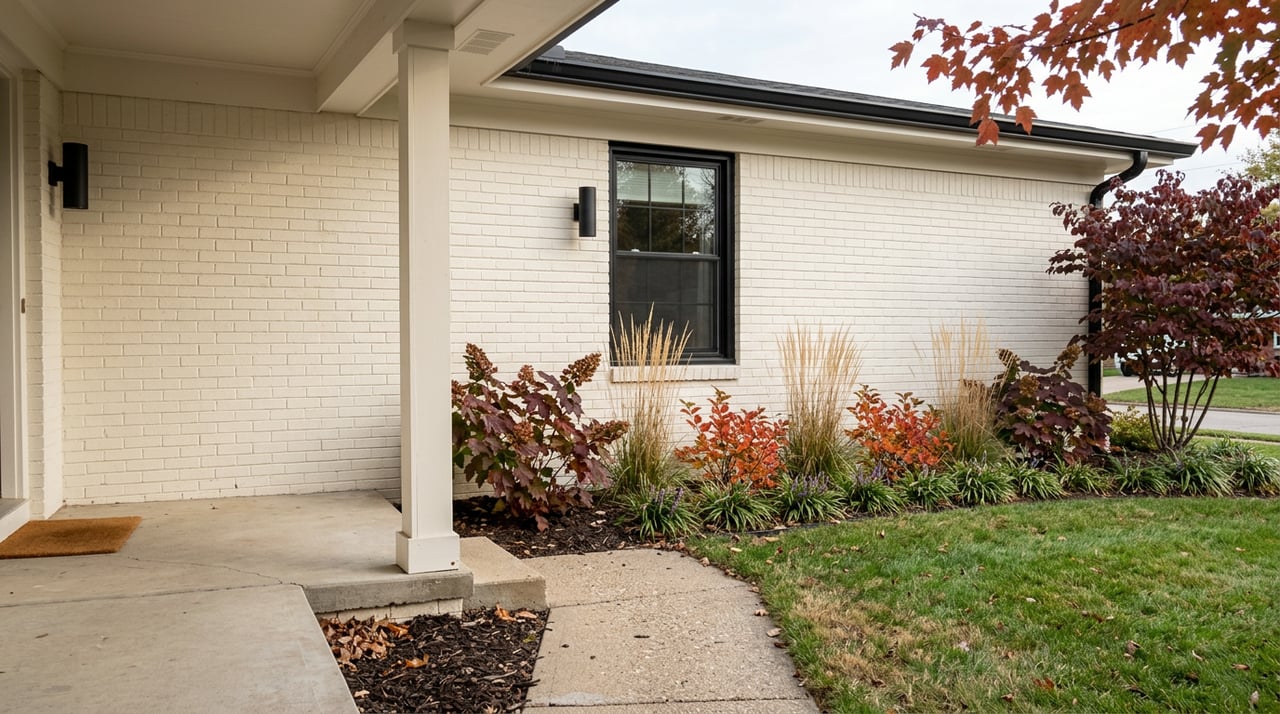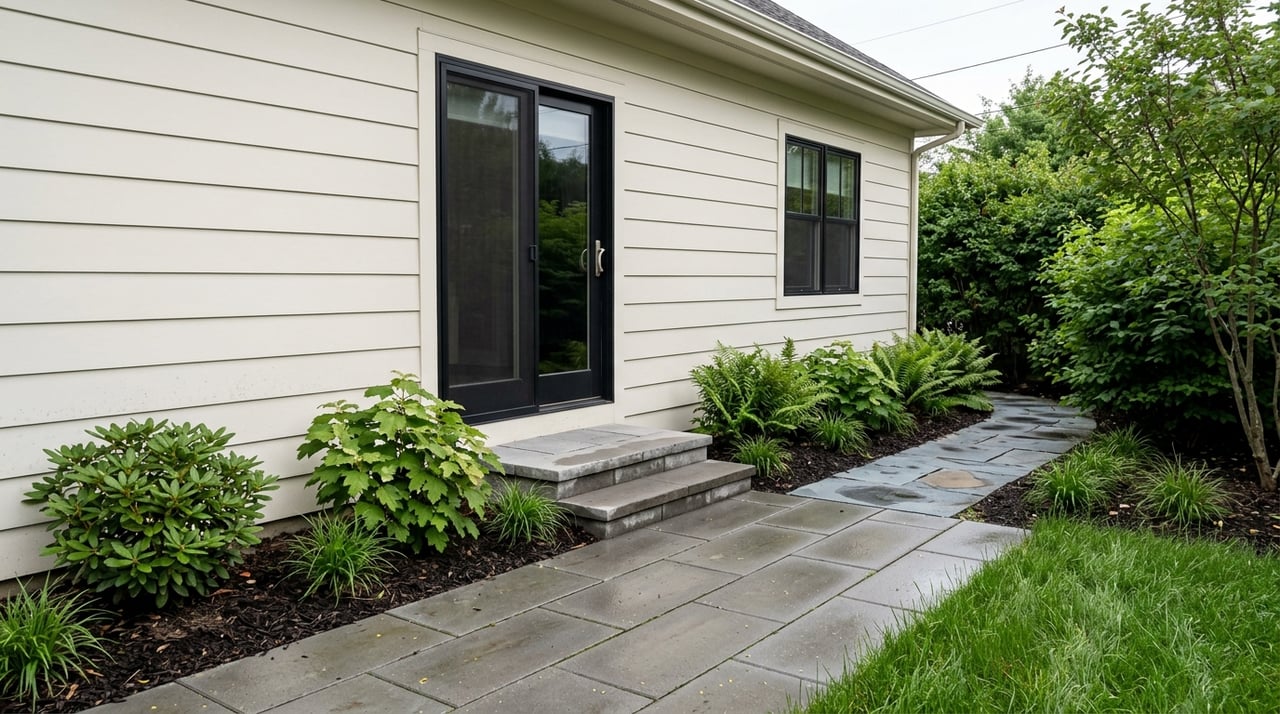
Thinking about selling your Newton home soon? A smooth sale usually starts long before the sign goes in the yard. If you want fewer surprises, stronger buyer interest, and a more confident launch, the right pre-list plan can make a real difference. Here’s a practical checklist to help you get ready before your home hits the market. Let’s dive in.
Why prep matters in Newton
In Newton, pricing and presentation still carry weight. Canopy MLS data through February 2026 showed a median sales price of $249,900 year-to-date, homes receiving 95.7% of original list price, a median 47 days on market, and 2.7 months of inventory.
That means your home may have solid opportunity, but it still needs to show well and launch with intention. In a market like this, buyers notice condition, value, and first impressions quickly.
Start earlier than you think
If you plan to list in spring or early summer, your prep work should begin months ahead. Realtor.com’s 2026 timing research pointed to mid-April as the strongest national selling week and also emphasized that sellers should prepare well before their intended list date.
For you, that means using the weeks before listing to clean up the home, gather paperwork, and make decisions without rushing. Waiting until photos are scheduled can create stress and limit your options.
Focus on the rooms buyers notice first
Not every room needs the same level of effort. According to NAR’s 2025 home staging research, the rooms most commonly staged were the living room, primary bedroom, dining room, and kitchen.
Those are smart places to start if you want the biggest visual impact. Buyers often form opinions from online photos first, and NAR reported that 81% of buyers rated listing photos as the most useful feature during their search.
Quick room-by-room priorities
- Living room: remove extra furniture, clear surfaces, and create open walking paths
- Kitchen: clear counters, store small appliances, and clean cabinet fronts and lighting
- Primary bedroom: simplify bedding, reduce personal items, and open up floor space
- Dining room: keep decor minimal and make the room feel easy to use
Declutter before you deep clean
Decluttering is one of the most important steps before listing. It helps buyers picture the home more easily, and NAR found that 83% of buyers’ agents said staging made it easier for buyers to visualize the property.
Go room by room and remove anything that makes the space feel crowded or overly personal. Think extra furniture, stacks of paper, packed closets, and too many items on shelves or counters.
Once clutter is reduced, deep cleaning becomes much more effective. Clean floors, baseboards, windows, kitchens, bathrooms, and light fixtures so the home feels cared for both in person and in photos.
Repair visible issues now
You do not need to make every possible upgrade before selling. But obvious issues that show up in photos or during a showing should be addressed before marketing begins.
A practical Newton seller checklist includes fixing:
- leaks
- peeling paint
- damaged trim
- loose fixtures
- burned-out bulbs
- anything visibly broken or unfinished
These items can make buyers wonder what else has been neglected. Handling them early helps your home feel better maintained and more market-ready.
Gather your North Carolina disclosures early
In North Carolina, sellers of covered residential property are required to provide a residential property disclosure statement. Most covered transfers also require a mineral and oil and gas rights disclosure.
Under Chapter 47E, those disclosures must be delivered no later than the time a buyer makes an offer. If they are not delivered by then, the buyer may have the right to cancel within the statutory window.
That is why it helps to prepare disclosures before you go live, not after. If you learn that something in your disclosure becomes materially inaccurate, the law requires a corrected disclosure.
If your home is in an owners’ association
If your property is part of an owners’ association, your disclosure should also cover items such as:
- association contact information
- dues
- special assessments
- services paid for by dues
- pending lawsuits or judgments
- transfer fees
Collecting this information early can save time once buyers start asking questions.
Share known issues with your agent
North Carolina brokers have a duty to disclose material facts they know or reasonably should know. They also must inform clients of their rights and obligations under Chapter 47E.
That means you should tell your agent about known defects, past repairs, insurance claims, water intrusion, system problems, or other facts a buyer would consider important. Honest communication early in the process helps prevent problems later.
Pull permits and inspection records
If you have completed recent work on the home, now is the time to gather the paperwork. In Newton, Catawba County’s Permit Center handles permits for residential construction, along with well and septic installation or repair, and the county’s Building Services Division enforces North Carolina building codes in Newton.
If you added a deck, remodeled a kitchen, finished space, replaced major systems, or completed another project that required permitting, keep your final inspection paperwork and permit records ready. Buyers often ask for this information, especially when improvements are a selling point.
Be ready if your home has a well or septic system
Some Newton-area properties are not on municipal water or sewer. For those homes, Catawba County Environmental Health oversees septic systems and private water supply wells.
If your property has a private well or septic system, gather records such as:
- permit documents
- pump or service records
- repair history
- installation paperwork if available
Having these records organized can make buyer questions easier to answer and help your transaction move more smoothly.
Plan for debris and utility timing
Pre-list prep often creates more trash than sellers expect. Newton’s sanitation guidance says the city does not provide curbside pickup for debris or rubbish from remodeling, repairs, or tear-down work, though dumpster service may be available for many construction or clean-out jobs.
If your prep includes garage cleanouts, minor renovations, or hauling away old furniture and materials, plan that early. Last-minute debris can hurt curb appeal and delay photo day.
Utilities matter too. Newton’s utility policy says service requests must include all services applicable to the location, and requests made before noon are normally connected the same day, while later requests are normally connected the next business day.
If the home will be vacant during the listing period, coordinate utility timing so photography, inspections, appraisals, and showings are not disrupted.
Review taxes before closing
Catawba County bills real property taxes on a fiscal-year basis and does not prorate taxes between the former and new owner. Because of that, you should review the proration shown on your closing statement carefully.
If you currently receive a tax-relief benefit tied to owner occupancy, ask how a transfer may affect it before closing. It is much easier to clarify that early than at the closing table.
Bring in your agent before the final countdown
Many sellers wait too long to call an agent. NAR research found that 91% of sellers used a real estate agent, and sellers most often wanted help with pricing, marketing, and selling within a target timeframe.
For most Newton homeowners, the best time to bring in your agent is before repairs are finalized and before photos are booked. That gives you time to decide what truly needs attention, what is cosmetic, and how to position the home for a strong debut.
With Stephen Kue, that early planning can also help you build a smart photo strategy and a polished digital launch designed to create strong first-week interest.
Follow this pre-list sequence
If you want a simple order of operations, start here:
- Declutter and simplify the home
- Deep clean key spaces
- Complete visible repairs
- Gather disclosures and supporting documents
- Pull permits, HOA information, and well or septic records if applicable
- Review utility and debris-removal logistics
- Ask your agent for pricing guidance and a photo plan
- Set your launch date
This sequence fits both North Carolina disclosure timing and the way buyers shop today. Since many buyers find homes online first, your first week on the market can influence showing traffic and later negotiations.
A polished first week matters
Online presentation is not just a bonus anymore. NAR reported that 52% of buyers found the home they purchased online, and listing photos remain one of the most important tools in the search process.
That is why your checklist should lead to a clean, bright, photo-ready home before the listing goes live. In Newton’s current market, a polished first impression can help your home stand out from day one.
If you are planning a move in Newton or anywhere in the Catawba Valley, working with a responsive local agent early can help you avoid guesswork and launch with confidence. When you’re ready for a clear plan, pricing guidance, and professional listing support, reach out to Stephen Kue.
FAQs
What should Newton sellers do first before listing a home?
- Start by decluttering, then deep clean, fix visible issues, and gather disclosures and documents before setting a list date.
When should Newton homeowners contact a real estate agent?
- If you think you may sell in the next few months, contact an agent early so you can get guidance on pricing, repairs, and launch timing.
What disclosures are required for North Carolina home sellers?
- Sellers of covered residential property generally need to provide a residential property disclosure statement, and most covered transfers also require a mineral and oil and gas rights disclosure.
What records should Newton sellers gather for recent home improvements?
- Collect permit records, final inspection paperwork, and any related documents for remodels, additions, decks, or major system replacements.
What should Newton sellers prepare for homes with septic or well systems?
- Gather permit documents, service records, repair history, and other available well or septic paperwork before your home goes on the market.
How does Newton utility and debris planning affect a home sale?
- Sellers should plan debris removal early and coordinate utility service so photography, inspections, appraisals, and showings can happen without delays.